
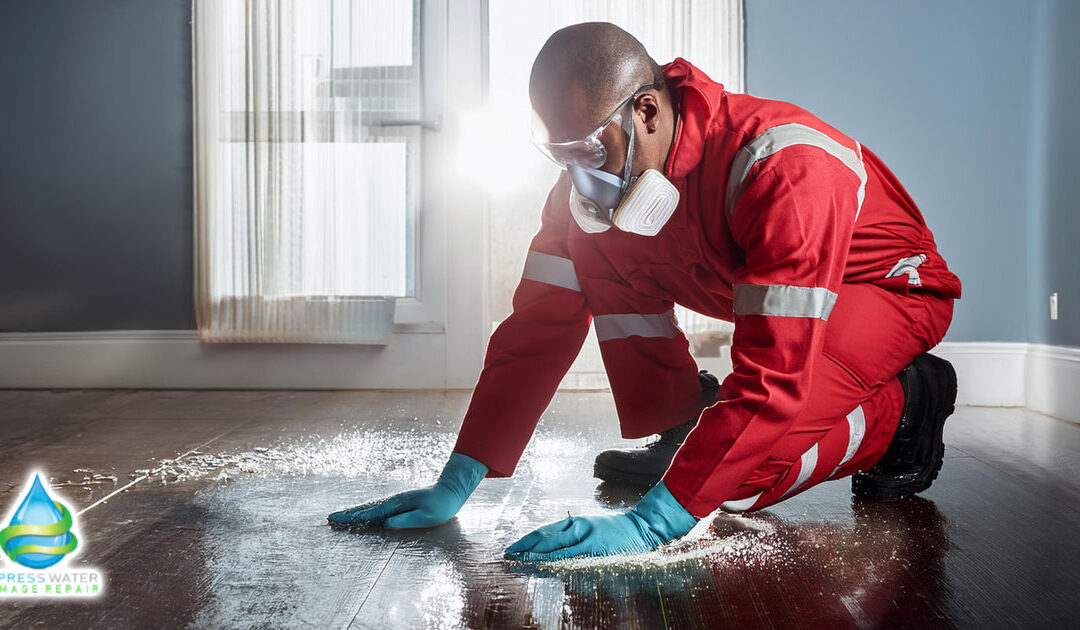
Water damage can create serious problems for a residential property, especially when moisture remains trapped inside walls, flooring, ceilings, or insulation. Although the visible water may disappear after cleanup, hidden dampness can continue affecting building materials. Consequently, mold may begin developing in areas that homeowners cannot easily see.For property owners, finding the best mold removal after water damage in Boca Raton, FL means understanding why mold develops, how professional remediation works, and what steps can help prevent recurring moisture problems.
Boca Raton’s warm temperatures, humidity, and seasonal rainfall make moisture management particularly important. For example, a leaking pipe, damaged roof, overflowing appliance, or unexpected flood can introduce water into residential spaces. Furthermore, if affected materials are not dried properly, conditions may become suitable for mold growth.
At Express Water Damage Repair, homeowners can explore restoration services for mold-related concerns and other property damage. Whether your home has experienced a plumbing leak, storm-related water intrusion, or flooding, taking the right steps early can help protect your property and reduce the risk of additional damage.
Why Mold Often Develops After Water Damage
Mold is a naturally occurring fungus that can grow when moisture, suitable temperatures, and organic materials are available. Unfortunately, many common household materials can support mold growth when they remain damp.
For instance, drywall contains paper, while wood, carpeting, insulation, and certain furniture materials can also retain moisture. Therefore, water damage can create conditions that encourage mold development if drying and cleanup are delayed.
Mold can begin growing within approximately 24 to 48 hours under favorable conditions. However, the actual timeline depends on temperature, moisture levels, material types, and other environmental factors.
Common situations that may lead to mold after water damage include:
- Burst or leaking plumbing pipes.
- Roof leaks following heavy rainfall.
- Flooding from storms or overflowing water.
- Washing machine and dishwasher leaks.
- Air conditioning condensate drainage problems.
- Water heater failures.
- Bathroom and kitchen plumbing issues.
- Water entering through damaged windows or doors.
Moreover, mold does not always appear directly where water first entered the property. Moisture can travel through building materials and collect in hidden spaces. As a result, a small water stain may indicate a larger moisture problem.
Why Fast Water Damage Response Matters in Boca Raton
When water enters a home, time becomes an important factor. The longer building materials remain wet, the greater the opportunity for secondary damage.
For example, a leaking pipe beneath a bathroom vanity may initially affect only the cabinet. Nevertheless, if the leak continues, moisture may spread into nearby drywall, flooring, and surrounding structural materials.
Similarly, stormwater entering through a roof can travel along framing before becoming visible on an interior ceiling.
Therefore, homeowners should avoid treating water damage as a simple surface-cleaning issue.
A prompt response can help:
- Reduce prolonged moisture exposure.
- Limit damage to flooring and drywall.
- Identify hidden damp areas.
- Reduce conditions that support mold growth.
- Protect furniture and household belongings.
- Organize necessary restoration work.
Furthermore, professional water damage restoration can help determine whether affected materials require extraction, drying, cleaning, or removal.
Common Warning Signs of Mold After Water Damage
Mold is not always easy to identify. Although visible growth is an obvious warning sign, other symptoms may indicate a moisture problem that needs investigation.
1. Persistent Musty Odors
A musty or earthy smell may indicate moisture or possible mold growth. For instance, homeowners may notice an unusual odor in closets, bathrooms, basements, or rooms affected by previous leaks.
However, an odor alone does not confirm mold. Therefore, further inspection may be necessary.
2. Discoloration on Walls and Ceilings
Mold can appear in different colors, including dark green, black, gray, or brown. Nevertheless, not every dark stain is mold.
Water stains, dirt, and other surface damage can look similar. Consequently, suspicious discoloration should be evaluated rather than covered with paint.
3. Peeling Paint and Bubbling Wallpaper
When moisture becomes trapped behind interior finishes, paint may bubble or wallpaper may begin separating from the wall.
Additionally, these changes may indicate that the underlying material has been exposed to water for an extended period.
4. Damp Carpets and Flooring
Carpets and flooring materials can retain water long after visible puddles disappear.
For example, moisture may remain in carpet padding, subflooring, or beneath certain floor coverings. Therefore, surface drying alone may not be sufficient.
5. Recurring Moisture Problems
If the same area repeatedly becomes damp, the original water source may still be active.
In addition, condensation, poor ventilation, and drainage problems can contribute to recurring moisture. Consequently, identifying the underlying cause is essential.

Understanding the Mold Removal Process After Water Damage
Professional mold remediation involves more than cleaning visible spots. Instead, it focuses on identifying contamination, addressing moisture, managing affected materials, and reducing the conditions that allow mold to return.
The exact process depends on the property’s condition and the extent of contamination. However, a structured remediation approach generally includes several stages.
Step 1: Inspecting the Water-Damaged Property
First, the affected areas should be evaluated to identify visible mold, water damage, and potential moisture sources.
An inspection may include:
- Examining affected walls and ceilings.
- Checking flooring and carpeting.
- Looking for signs of plumbing or roof leaks.
- Assessing accessible building materials.
- Evaluating moisture conditions.
- Identifying areas that may require further investigation.
Furthermore, nearby rooms may need attention because water can move beyond the location where the original damage occurred.
Step 2: Identifying and Stopping the Water Source
Next, the original water source must be addressed.
For example, a plumbing leak may require pipe repair, while a roof leak may require roofing work. Similarly, an air conditioning drainage problem may need attention from an HVAC professional.
This step is particularly important because removing mold without correcting the moisture source can allow the problem to return.
Step 3: Removing Standing Water and Drying Affected Areas
If standing water remains, it should be removed using appropriate extraction methods.
Afterward, affected materials need proper drying. Depending on the situation, restoration professionals may use air movers, dehumidifiers, and moisture-monitoring equipment.
However, drying requirements vary according to the materials involved and the extent of water intrusion.
For instance, carpet, drywall, wood framing, and insulation may respond differently to moisture exposure.
Step 4: Containing Mold-Affected Areas
When contamination requires it, appropriate containment can help limit the movement of mold-contaminated dust and debris into unaffected rooms.
This may involve physical barriers, controlled airflow, and suitable protective equipment.
Moreover, containment procedures should be selected according to the size and nature of the remediation project.
Step 5: Removing Contaminated Materials
Some materials can be cleaned, while others may need removal and replacement.
For example, heavily affected porous materials such as drywall, insulation, or carpet padding may not be suitable for cleaning.
Nevertheless, the decision depends on the material’s condition, the extent of contamination, and applicable remediation practices.
Step 6: Cleaning Suitable Surfaces
After contaminated materials have been addressed, remaining suitable surfaces can be cleaned using appropriate methods.
Importantly, simply applying bleach or another chemical over visible mold does not resolve every mold problem. The correct cleaning approach depends on the surface, contamination, and surrounding conditions.
Step 7: Final Evaluation and Moisture Control
Finally, the affected areas should be evaluated to confirm that visible contamination has been addressed and moisture conditions have been corrected.
In addition, homeowners should understand whether any further repairs, drying, or independent verification are appropriate.
Mold Removal vs. Water Damage Restoration: What Is the Difference?
Although mold remediation and water damage restoration are closely connected, they address different parts of a property problem.
Water damage restoration focuses on managing the effects of unwanted water. In contrast, mold remediation addresses mold contamination and the moisture conditions associated with it.
| Comparison Factor | Water Damage Restoration | Mold Remediation |
| Main purpose | Address water intrusion and damage | Address mold contamination |
| Water extraction | Often required | May be required if moisture remains |
| Structural drying | Major consideration | Important when materials are damp |
| Mold removal | Not always included | Central part of the process |
| Material removal | Depends on water damage | Depends on mold contamination |
| Moisture source correction | Essential | Essential to prevent recurrence |
| Final objective | Restore water-affected areas | Address contamination and moisture conditions |
Therefore, a property affected by both water and mold may require coordinated restoration and remediation services.
Which Areas of Your Home Are Most Vulnerable to Mold?
Certain residential areas are more likely to experience moisture problems because of plumbing, limited ventilation, condensation, or exposure to rainwater.
| Residential Area | Common Moisture Source | Potential Warning Sign |
| Bathroom | Shower humidity and plumbing leaks | Musty smell or discolored grout |
| Kitchen | Sink and dishwasher leaks | Damp cabinets or flooring |
| Laundry room | Washing machine hose leaks | Wet flooring or wall damage |
| Attic | Roof leaks and condensation | Damp insulation or staining |
| Bedroom | Window condensation or exterior leaks | Peeling paint or unusual odors |
| Living room | Roof or plumbing damage | Ceiling stains or damp drywall |
| HVAC area | Condensate drainage problems | Standing water or recurring dampness |
However, mold can develop in almost any area where suitable moisture conditions exist. Consequently, homeowners should not limit inspections to rooms with obvious plumbing fixtures.
How Boca Raton Homeowners Can Prevent Mold After Water Damage
Preventing recurring mold problems requires consistent moisture management. Although professional remediation can address an existing issue, homeowners also need to reduce the conditions that allowed it to develop.
Consider the following preventive measures.
Repair leaks promptly: Even a small plumbing leak can introduce moisture into surrounding materials. Therefore, repair damaged pipes, fittings, and appliances without unnecessary delay.
Maintain air conditioning systems: Regular HVAC maintenance can help identify drainage problems, clogged condensate lines, and other moisture-related concerns.
Control indoor humidity: The U.S. Environmental Protection Agency recommends keeping indoor humidity below 60%, ideally between 30% and 50%, when practical.
Improve bathroom ventilation: Use exhaust fans during showers and allow sufficient ventilation afterward.
Inspect roofing and windows: Check for damaged roof components, deteriorated seals, and water intrusion after severe weather.
Dry wet materials quickly: Address wet carpets, furniture, flooring, and other household materials promptly.
Monitor previously affected areas: After restoration, watch for recurring odors, stains, or dampness.
Furthermore, homeowners should investigate repeated condensation rather than assuming it is simply a normal part of Florida’s climate.
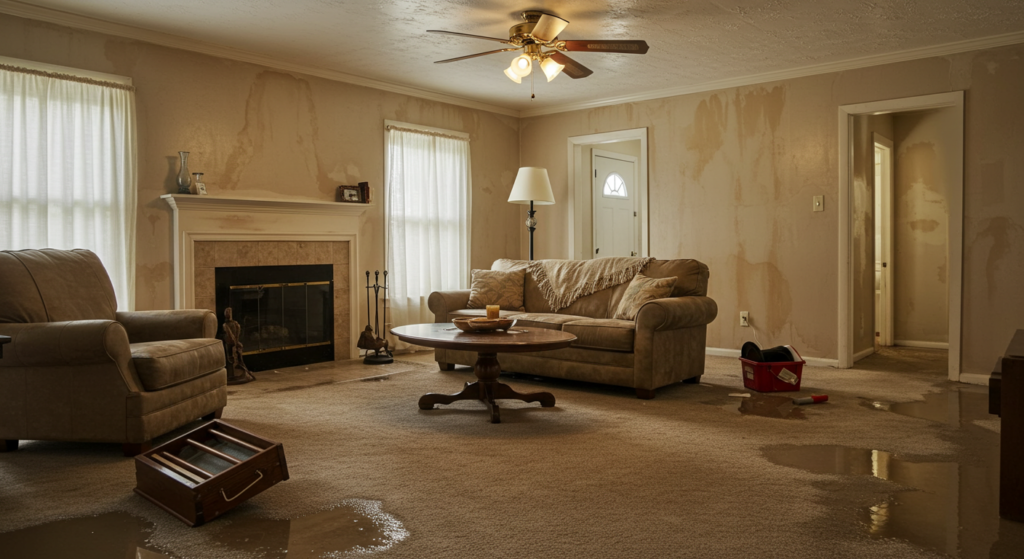
Why Professional Mold Remediation Can Be a Better Choice
Small, isolated mold growth on suitable nonporous surfaces may sometimes be handled using appropriate cleaning procedures. However, extensive contamination or mold involving hidden building materials requires greater attention.
Professional remediation can offer several advantages.
- Better moisture investigation: Identifying the original water source is essential.
- Appropriate containment: Suitable procedures can help limit the spread of contaminated dust.
- Material assessment: Professionals can evaluate which materials may be cleaned and which may require removal.
- Specialized drying: Appropriate equipment can help manage moisture in affected areas.
- More organized restoration: A structured approach can help homeowners understand the work required.
Additionally, professional assistance may be especially valuable when flooding affects multiple rooms or moisture enters wall cavities and flooring systems.
Why Choose Express Water Damage Repair for Mold Removal After Water Damage?
Choosing a restoration provider is an important decision, especially when mold develops after an unexpected water emergency.
Homeowners need to understand the extent of the damage, the source of moisture, and the steps required to address the affected areas. Moreover, they should consider whether additional repairs or drying are necessary.
Express Water Damage Repair offers restoration-related services for property owners dealing with water damage, mold concerns, and other property emergencies.
Homeowners can explore the company’s professional mold remediation services to learn more about addressing mold-related property concerns.
Furthermore, when water intrusion is the primary issue, visiting the Express Water Damage Repair homepage provides an opportunity to explore its broader restoration services.
The company also provides additional services for different property damage situations, including:
- Fire and smoke damage restoration after fire-related incidents.
- Biohazard cleanup services for specialized cleanup requirements.
- Vandalism damage repair services for properties affected by vandalism.
Each restoration situation is different. Therefore, homeowners should explain their specific circumstances when requesting information.
Common Mistakes to Avoid After Discovering Mold
Homeowners sometimes make simple mistakes that can complicate an already stressful situation. Fortunately, understanding these issues can help prevent unnecessary problems.
Painting over visible mold: Paint does not remove mold or correct the moisture source. Therefore, affected surfaces should be appropriately addressed before repainting.
Ignoring a small leak: A minor leak can create extensive hidden moisture over time. Consequently, even small plumbing problems deserve attention.
Drying only the visible surface: Water can remain trapped beneath flooring or inside wall cavities. As a result, surface cleaning alone may not address the entire problem.
Disturbing extensive mold growth: Scrubbing or removing large areas of contaminated material without appropriate precautions may spread spores and contaminated debris.
Replacing materials before fixing the leak: New drywall, flooring, or insulation can become damaged again if the original moisture source remains active.
Ultimately, proper investigation and moisture control are essential for a more complete restoration.
Frequently Asked Questions About Mold Removal After Water Damage in Boca Raton, FL
1. How soon should mold removal begin after water damage?
Water damage should be addressed immediately. Mold can begin developing within approximately 24 to 48 hours under favorable conditions. Therefore, prompt water extraction, drying, and moisture assessment are important.
2. Can mold grow behind walls after a plumbing leak?
Yes. Water can enter wall cavities and affect drywall, insulation, and wooden framing. Consequently, mold may develop without becoming immediately visible from the room.
3. Does every water-damaged home develop mold?
No. Mold growth is not guaranteed after water damage. However, prolonged moisture creates favorable conditions. Proper water extraction and thorough drying can help reduce the risk.
4. How do I know if mold is present after a flood?
Warning signs include musty odors, visible discoloration, damp materials, and recurring moisture. However, mold may remain hidden. A professional assessment can help investigate suspected contamination.
5. Can I remove mold myself after water damage?
Small areas of mold on suitable nonporous surfaces may sometimes be cleaned using appropriate precautions. However, extensive contamination, hidden growth, HVAC involvement, and significant water damage generally warrant professional evaluation.
6. Will mold return after professional remediation?
Mold can return if the original moisture source remains unresolved or new water intrusion occurs. Therefore, successful remediation must include addressing moisture conditions and properly drying affected materials.
Restore Your Boca Raton Home With the Right Mold Remediation Approach
Water damage can be stressful, but ignoring the moisture problem can create even bigger challenges. Therefore, homeowners should take visible leaks, musty odors, damp flooring, and suspicious discoloration seriously.
Although removing visible mold is important, addressing the original water source is equally essential. Furthermore, proper drying, suitable material removal, and ongoing moisture control can help reduce the likelihood of recurring problems.
If your home has experienced flooding, plumbing leaks, roof damage, or another water emergency, consider discussing the situation with a restoration professional.
Express Water Damage Repair provides restoration-related solutions for homeowners dealing with mold concerns and other property damage.
Explore the company’s mold remediation services or visit its official website to learn more.
Ready to discuss your property’s water damage? Contact Express Water Damage Repair to take the next step toward addressing moisture problems and restoring your Boca Raton home.
Recent Comments