
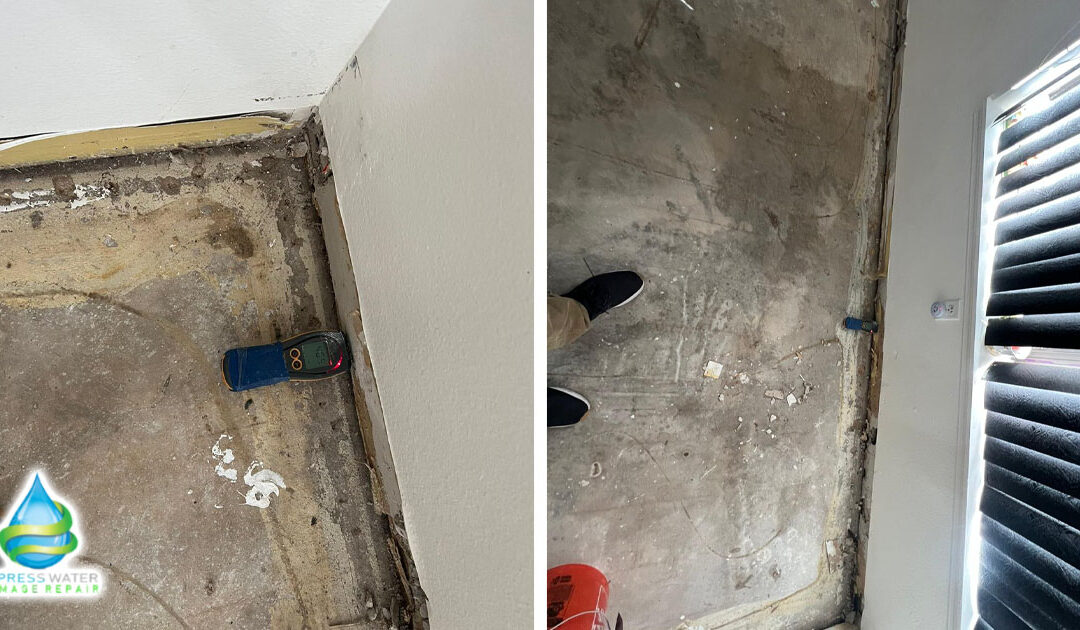
Water damage can happen when you least expect it. A burst pipe, overflowing washing machine, leaking roof, damaged water heater, or sudden storm can quickly turn a comfortable home into a stressful situation. Moreover, even a small amount of unwanted water can affect flooring, drywall, furniture, insulation, and other building materials if it is not addressed promptly.For homeowners and business owners, finding the best fast response water damage repair in Boca Raton, FL is essential when unexpected water intrusion threatens a property. Acting quickly can help limit additional damage, identify hidden moisture, and begin the restoration process before the problem becomes more complicated.
Boca Raton’s warm climate, high humidity, and seasonal heavy rainfall make proper moisture management particularly important. Furthermore, water can travel into areas that are difficult to inspect, including wall cavities, beneath flooring, and inside cabinets. Consequently, removing visible water is only one part of an effective restoration approach.
At Express Water Damage Repair, property owners can explore professional restoration solutions for water damage, mold concerns, fire damage, and other property emergencies. Whether your home has experienced a plumbing failure or your business has suffered unexpected flooding, understanding the restoration process can help you take the right next steps.
Why Fast Response Matters After Water Damage
Time plays an important role in water damage restoration. When unwanted water remains inside a property, it can continue affecting building materials and household belongings.
For example, water from a leaking pipe may initially collect beneath a kitchen sink. However, if the leak continues, moisture can spread into nearby cabinets, flooring, drywall, and insulation.
Similarly, stormwater entering through a damaged roof may travel along structural components before becoming visible on an interior ceiling. Therefore, waiting until the damage becomes obvious can allow the affected area to become larger.
A fast response can help property owners:
- Limit prolonged exposure to moisture.
- Reduce the possibility of additional structural damage.
- Protect suitable furniture and personal belongings.
- Identify hidden damp areas.
- Begin appropriate drying procedures.
- Reduce conditions that may support mold growth.
- Organize necessary repairs and restoration work.
Furthermore, prompt action can make it easier to understand the source of the problem before additional damage occurs.
Common Causes of Water Damage in Boca Raton Properties
Water damage can develop in several different ways. Although some emergencies happen suddenly, others begin with small problems that gradually become more serious.
Understanding the common causes can help property owners recognize warning signs and respond appropriately.
1. Burst and Leaking Pipes
Plumbing failures are among the common causes of indoor water damage. A burst pipe can release a substantial amount of water in a short period. Meanwhile, a slow leak may remain unnoticed behind a wall or beneath a cabinet.
For instance, a damaged pipe under a bathroom sink may gradually saturate nearby materials. Consequently, homeowners may discover the problem only after noticing a musty odor, swollen cabinet, or discoloration.
Therefore, inspect plumbing areas regularly and address leaks as soon as possible.
2. Roof Leaks and Storm-Related Water Intrusion
Heavy rainfall and severe weather can expose weaknesses in roofing systems, flashing, windows, and exterior seals.
Additionally, water may enter through small openings and spread into attic insulation, ceilings, and wall cavities.
A ceiling stain should never be dismissed as a purely cosmetic issue. Instead, investigate the source of water intrusion and arrange appropriate repairs.
3. Washing Machine and Dishwasher Failures
Household appliances use water every day. However, damaged hoses, loose connections, faulty valves, or overflowing equipment can cause unexpected flooding.
For example, a washing machine hose may fail while nobody is home. As a result, water can spread across laundry room flooring and enter adjacent rooms.
Similarly, dishwasher leaks can damage kitchen cabinets and flooring.
4. Water Heater Problems
Water heaters can develop leaks because of corrosion, damaged connections, faulty valves, or equipment deterioration.
Furthermore, a leaking water heater may release water into nearby storage areas or utility rooms.
Therefore, monitor the surrounding floor for moisture and investigate unusual changes in the equipment.
5. Air Conditioning Drainage Issues
Air conditioning systems operate frequently in South Florida. However, clogged condensate drains, damaged drain pans, or drainage failures can cause water to accumulate around HVAC equipment.
In addition, condensation may develop when warm, humid air comes into contact with cold surfaces.
Consequently, routine HVAC maintenance is important for identifying potential moisture problems.
What Happens During Professional Water Damage Repair?
Water damage repair is a structured process rather than a simple cleanup task. The exact steps depend on the amount of water, affected materials, contamination level, and condition of the property.
Nevertheless, a professional restoration project generally includes several stages.
Step 1: Initial Inspection and Damage Assessment
First, the affected property should be evaluated to understand the extent of the water damage.
This assessment may include:
- Identifying visible water intrusion.
- Examining damaged walls and ceilings.
- Checking affected flooring and carpeting.
- Evaluating moisture in accessible building materials.
- Identifying potential plumbing or roof problems.
- Determining which areas may require further investigation.
Additionally, nearby rooms should be considered because water can travel beyond the location where it first entered.
Step 2: Stopping the Water Source
Before restoration can move forward, the source of water should be identified and controlled.
For example, a burst pipe may require plumbing repairs, while a damaged roof may need attention from a roofing professional.
Similarly, appliance failures or HVAC drainage issues must be addressed to prevent additional water from entering the property.
Without correcting the original problem, further restoration work may be compromised.
Step 3: Water Extraction
Once the water source has been controlled, standing water should be removed using appropriate extraction methods.
This step is particularly important when water has accumulated across floors, carpets, or other surfaces.
Furthermore, removing excess water helps prepare affected areas for more detailed drying procedures.
Step 4: Structural Drying and Dehumidification
Visible water removal does not mean that the property is completely dry.
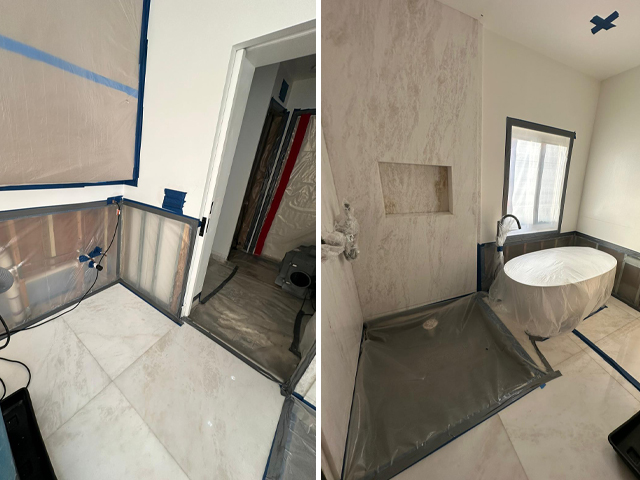
In fact, moisture can remain trapped beneath flooring, inside drywall, or within insulation. Therefore, professional drying procedures may involve air movers, dehumidifiers, and moisture-monitoring equipment.
The required equipment and drying time depend on the materials involved and the extent of water intrusion.
Step 5: Cleaning and Sanitization When Appropriate
Depending on the water source, affected surfaces and belongings may require cleaning or sanitization.
For example, clean water from a properly functioning supply line presents different considerations from water contaminated by sewage or flooding.
Consequently, restoration procedures should reflect the actual contamination level.
Step 6: Mold Assessment and Remediation
When moisture remains in a property, mold growth may become a concern.
Mold can begin developing within approximately 24 to 48 hours under favorable conditions. However, actual growth depends on environmental conditions and the materials involved.
If contamination is discovered, additional remediation may be necessary.
Property owners can explore professional mold remediation services to learn more about addressing mold-related concerns.
Step 7: Repairs and Restoration
Finally, damaged materials may require repair or replacement.
Depending on the condition of the property, this may include drywall, flooring, insulation, cabinetry, or other building components.
However, replacement should take place only after the moisture problem has been properly addressed.
Types of Water Damage and Why They Matter
Not all water damage presents the same risks. In fact, the source and contamination level of the water can significantly affect the restoration approach.
| Water Damage Category | Common Source | Important Consideration |
| Clean water | Broken supply pipes or leaking faucets | Prompt removal and drying are important |
| Gray water | Certain appliance discharges | May contain contaminants and require additional precautions |
| Black water | Sewage backups or heavily contaminated floodwater | Requires specialized handling and protective procedures |
These categories are commonly used in restoration discussions. However, actual contamination should be evaluated according to the specific circumstances.
For example, floodwater should not automatically be treated like a clean plumbing leak. Instead, appropriate protective measures and professional assessment are necessary.
Warning Signs That Your Property Needs Immediate Attention
Water damage is not always obvious. Although standing water is an unmistakable sign, other problems may indicate hidden moisture.
Watch for the following warning signs:
Unexplained ceiling stains: Brown or yellow discoloration may indicate roof leaks or plumbing problems.
Swollen flooring: Wood flooring and certain other materials may expand after absorbing moisture.
Peeling paint: Bubbling or separating paint can indicate water trapped behind a wall surface.
Musty odors: Persistent earthy smells may suggest damp materials or possible mold growth.
Wet carpets: Water can remain inside carpet padding and beneath flooring even after surface cleanup.
Unusual sounds: Dripping or running water inside walls may indicate a hidden plumbing leak.
Recurring dampness: If the same area repeatedly becomes wet, the underlying problem may remain unresolved.
Therefore, investigate these signs instead of simply covering or cleaning the visible damage.
Water Damage Repair vs. Water Damage Restoration
Although these terms are sometimes used interchangeably, they can describe different parts of the overall recovery process.
Water damage restoration generally focuses on addressing the effects of water intrusion through extraction, drying, cleaning, and moisture management.
Water damage repair often refers to fixing or replacing the physical materials affected by the incident.
| Comparison | Water Damage Restoration | Water Damage Repair |
| Primary focus | Managing the water damage | Fixing damaged property components |
| Water extraction | Often included | Not necessarily included |
| Structural drying | Important part of the process | May be completed beforehand |
| Moisture assessment | Important | Relevant before rebuilding |
| Material replacement | Depends on damage | Often a major consideration |
| Final objective | Stabilize and restore affected areas | Return damaged components to usable condition |
However, both may be necessary for a complete recovery. For instance, a flooded room may require water extraction and drying before damaged drywall and flooring can be replaced.
How Boca Raton Homeowners Can Reduce Future Water Damage
Although unexpected emergencies cannot always be prevented, regular property maintenance can reduce certain risks.
Consider these practical steps:
- Inspect plumbing connections and exposed pipes regularly.
- Check washing machine and dishwasher hoses for wear.
- Maintain HVAC drainage systems.
- Examine roofs, windows, and exterior seals.
- Keep gutters and drainage areas clear.
- Monitor water heaters for leaks.
- Repair damaged plumbing promptly.
- Know where your main water shutoff valve is located.
- Investigate unexplained water stains immediately.
Furthermore, homeowners should consider inspecting vulnerable areas after heavy rainfall or severe weather.
By taking these precautions, property owners can identify potential problems earlier and reduce the chance of unexpected water intrusion.
Why Choose Express Water Damage Repair for Fast Water Damage Response?
When water enters your home or business, choosing a restoration provider is an important decision.
Property owners need clear communication, an understanding of the damage, and a practical approach to recovery. Moreover, they should know which areas require immediate attention and whether additional mold remediation or repairs may be necessary.
Express Water Damage Repair provides restoration-related services for property owners dealing with different types of damage.
The company’s service offerings include water damage restoration, mold remediation, fire and smoke damage restoration, biohazard cleanup, and vandalism damage repair.
For homeowners experiencing unexpected water intrusion, the official Express Water Damage Repair website provides an opportunity to explore its restoration services.
Additionally, property owners dealing with moisture-related contamination can learn more about mold remediation and cleanup.
Other property damage situations may require different services, including:
- Fire and smoke damage restoration after fire-related incidents.
- Biohazard cleanup services for specialized contamination concerns.
- Vandalism damage repair after property vandalism.
Each situation requires an appropriate response. Therefore, explaining the type of damage and affected areas can help determine the next steps.
What to Do Immediately When Water Damage Occurs
Taking the right initial actions can help reduce confusion during an emergency. Nevertheless, safety should always come first.
1. Protect people and pets: Keep everyone away from standing water when electrical hazards or contamination may be present.
2. Shut off the water supply if safe: If a plumbing failure is responsible, turn off the appropriate water supply when it is safe to do so.
3. Avoid electrical hazards: Do not enter flooded areas if electrical outlets, appliances, or wiring may be submerged. Contact appropriate professionals when electrical safety is uncertain.
4. Document visible damage: Take photographs and videos when it is safe. These records may also help with insurance documentation.
5. Move suitable belongings: If safe, relocate furniture and personal items away from affected areas.
6. Contact a restoration provider: Discuss the water source, affected rooms, and visible damage.
7. Avoid using household equipment in unsafe conditions: Do not operate electrical devices in wet areas or attempt extensive cleanup of contaminated water without appropriate protection.
Furthermore, if the water may contain sewage or other hazardous contaminants, avoid direct contact and seek specialized assistance.
Frequently Asked Questions About Fast Response Water Damage Repair in Boca Raton, FL
1. Why is a fast response important after water damage?
A fast response helps limit the time building materials remain wet. Consequently, prompt water removal and drying may reduce additional damage and conditions that support mold growth.
2. How quickly should water be removed from a flooded home?
Water should be addressed as soon as it is safe to do so. Delays can allow moisture to spread into flooring, drywall, insulation, and other materials. Therefore, professional assessment and extraction should not be unnecessarily postponed.
3. Can water damage cause mold growth?
Yes. Persistent moisture can create conditions that support mold growth. Under favorable conditions, mold may begin developing within approximately 24 to 48 hours. However, the actual timeline varies.
4. Does water damage always require professional restoration?
Not every minor spill requires professional restoration. However, extensive flooding, hidden moisture, contaminated water, and damage involving walls or flooring may require specialized equipment and professional assessment.
5. How long does water damage restoration take?
The timeline depends on the size of the affected area, the amount of water, material types, contamination level, and drying requirements. A small incident may be resolved more quickly than extensive flooding.
6. Can walls dry naturally after a water leak?
Sometimes, minor surface moisture may dry naturally. However, water trapped inside wall cavities or insulation may require additional drying and moisture monitoring. Therefore, do not assume that a wall is dry simply because its surface feels normal.
Protect Your Property With Fast and Professional Water Damage Repair
Water damage can quickly disrupt everyday life, especially when moisture spreads into areas that are difficult to inspect. Therefore, responding promptly is essential for protecting your property and reducing the possibility of additional complications.
From burst pipes and roof leaks to appliance failures and storm-related flooding, every water emergency requires careful attention. Moreover, proper extraction, structural drying, moisture assessment, and necessary repairs all contribute to a more complete restoration process.
If you notice standing water, ceiling stains, damp flooring, or unexplained moisture, do not wait for the damage to become more serious.
Express Water Damage Repair offers restoration-related services for property owners dealing with water damage, mold concerns, and other unexpected property emergencies.
Explore the official Express Water Damage Repair website to learn more about its services.
For assistance with your property concerns, contact Express Water Damage Repair and discuss the next steps toward restoring your Boca Raton property.
Taking action early can make a meaningful difference in protecting your home, your belongings, and your peace of mind.
Recent Comments