
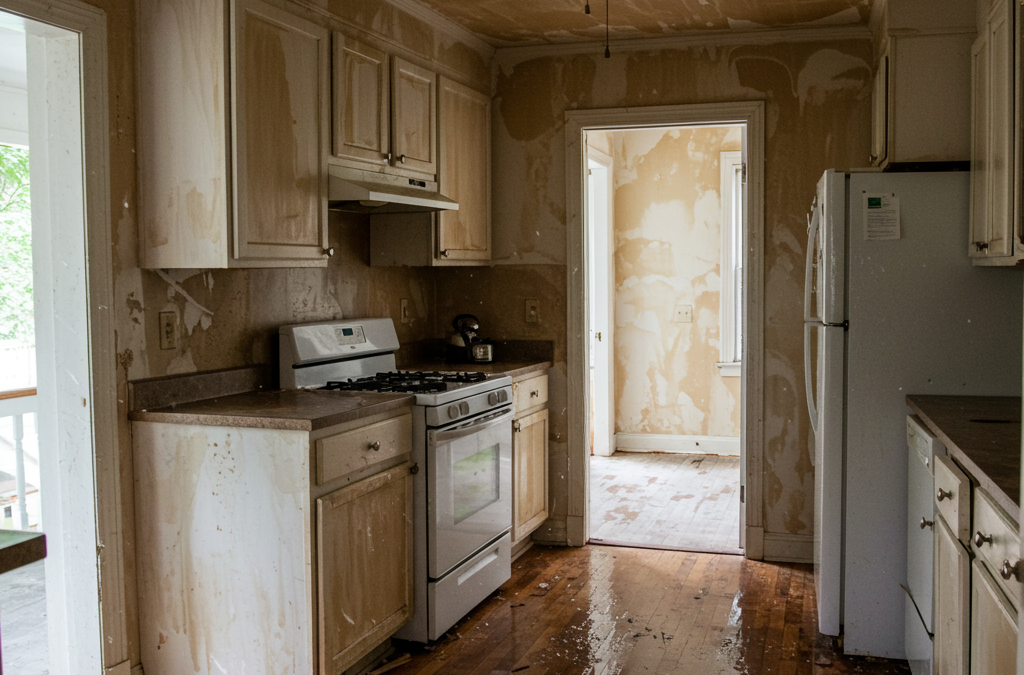
Water damage can disrupt your family’s comfort, damage valuable belongings, and create unexpected repair expenses. Whether a pipe bursts, a water heater leaks, a bathroom overflows, or heavy rain enters your home, even a seemingly minor incident can develop into a serious problem. Therefore, acting quickly is essential to protect your property and prevent further deterioration.For homeowners searching for residential water damage repair in Boca Raton, FL, Express Water Damage Repair provides a starting point for exploring professional restoration solutions. With the right approach, homeowners can address visible water damage, identify hidden moisture, and begin restoring affected rooms to a clean, dry, and functional condition.
Moreover, Boca Raton’s warm, humid climate can make moisture control particularly important. When water remains trapped inside drywall, flooring, insulation, or wooden structures, it can contribute to material deterioration and mold growth. Consequently, removing visible water alone may not be enough to resolve the problem completely.
Instead, an effective restoration plan should identify the source of the water, assess the affected materials, and determine which areas need extraction, drying, cleaning, or repairs. In addition, understanding the restoration process helps homeowners make better decisions when unexpected damage occurs.
If your property has experienced a leak or flooding incident, explore the restoration services available through Express Water Damage Repair and learn how to take the next step toward protecting your home.
Why Residential Water Damage Repair Is Important in Boca Raton, FL
Your home contains valuable structural materials, electrical systems, furniture, appliances, and personal belongings. Unfortunately, unwanted water can affect several of these components simultaneously. For example, a leaking pipe may damage a kitchen cabinet while moisture spreads beneath the flooring or into an adjoining wall.
Therefore, residential water damage repair involves more than drying a wet surface. It requires a careful assessment of the affected areas and a suitable plan for addressing both visible and hidden damage.
Professional restoration may help homeowners:
- Limit additional property damage: Prompt water removal can reduce the time that building materials remain wet.
- Identify concealed moisture: Appropriate inspection and moisture detection can reveal areas that appear dry but still contain water.
- Reduce mold-related risks: Thorough drying and moisture control can help prevent conditions that encourage mold growth.
- Protect eligible belongings: Proper handling may help preserve certain furniture, household items, and personal possessions.
- Determine necessary repairs: An assessment helps distinguish materials that can be dried from those that require replacement.
- Restore everyday comfort: Repairing damaged rooms can help your household return to its normal routine.
Furthermore, professional documentation can help you understand the extent of the damage and may support communication with your insurance company.
Common Causes of Residential Water Damage in Boca Raton Homes
Water damage can happen unexpectedly. However, understanding its common causes can help homeowners recognize warning signs and take preventive action.
1. Burst Pipes and Hidden Plumbing Leaks
A burst pipe can release a large amount of water in a short period. Meanwhile, a slow plumbing leak may remain undetected for weeks because it occurs behind a wall, beneath a sink, or under the flooring.
As a result, homeowners may notice peeling paint, swollen cabinets, damp baseboards, or unexplained water stains before discovering the actual source.
If you notice these signs, investigate the problem promptly without opening walls or disturbing potentially hazardous materials unnecessarily. Additionally, shut off the water supply when it is safe to do so and arrange for a qualified plumber to repair the leak.
2. Bathroom and Toilet Overflows
Bathrooms contain several potential sources of water damage, including toilets, showers, bathtubs, sinks, and plumbing connections. Consequently, a failed seal or overflowing fixture can affect flooring, nearby walls, and rooms below the bathroom.
Furthermore, water from a sewage backup or contaminated toilet overflow can present health risks. Therefore, avoid direct contact with potentially contaminated water and seek appropriate professional cleanup.
3. Roof Leaks and Storm Damage
Heavy rainfall, strong winds, and damaged roofing materials can allow water to enter your home. For instance, water may seep through roof penetrations, damaged flashing, windows, or compromised exterior seals.
Initially, the damage may appear as a small ceiling stain. Nevertheless, continued water intrusion can affect insulation, drywall, framing, and interior finishes.
After severe weather, inspect your home from a safe location and look for signs of moisture. However, never climb onto a damaged roof or enter an unsafe area to investigate a leak.
4. Washing Machine and Water Heater Leaks
Household appliances can cause substantial water damage when hoses fail, connections loosen, or internal components malfunction. In addition, a leaking water heater can affect nearby walls, flooring, and stored belongings.
To reduce these risks, inspect accessible hoses and connections periodically, follow appliance maintenance recommendations, and address unusual moisture promptly.
5. Flooding and Exterior Water Intrusion
Heavy rain can overwhelm drainage systems and allow water to enter through doors, windows, foundations, or low-lying entry points. Consequently, homeowners may experience wet flooring, damaged drywall, and contaminated household items.
Floodwater may contain sewage, chemicals, debris, or other contaminants. For this reason, flooding should not automatically be treated like a simple clean-water leak.
Keep people and pets away from potentially contaminated areas, avoid electrical hazards, and seek appropriate professional assistance.

Signs Your Home May Need Professional Water Damage Repair
Not every water damage problem involves standing water. In fact, some of the most concerning issues develop gradually and remain hidden behind finished surfaces.
Therefore, pay attention to changes in your home’s appearance, smell, and condition.
Common warning signs include:
- Brown or yellow ceiling stains.
- Peeling, bubbling, or discolored paint.
- Warped hardwood or laminate flooring.
- Swollen kitchen or bathroom cabinets.
- Persistent musty odors.
- Damp drywall or soft baseboards.
- Unexplained increases in water usage.
- Visible mold or recurring moisture patches.
- Water collecting near appliances or plumbing fixtures.
However, the absence of these symptoms does not guarantee that your home is dry. Water can travel through concealed spaces and accumulate beneath flooring or inside wall cavities.
Consequently, a professional moisture assessment may be appropriate when a leak has continued for an extended period or affected materials are difficult to inspect.
What to Do Immediately After Water Damage Occurs
The first steps you take can influence the amount of damage your home sustains. Nevertheless, personal safety must always come before property protection.
Step 1: Protect your family and pets. First, keep everyone away from standing water, unstable structures, and areas where electrical hazards may exist.
Step 2: Stop the water source if it is safe. If a plumbing leak is responsible, shut off the appropriate water supply when possible. Then, arrange for the underlying plumbing issue to be repaired.
Step 3: Avoid electrical hazards. Never walk through standing water if electrical equipment or wiring may be energized. Instead, contact the appropriate utility or a qualified electrician when necessary.
Step 4: Document the damage. Once it is safe, photograph and record affected rooms, damaged belongings, and visible water intrusion. These records may help when discussing an insurance claim.
Step 5: Contact a restoration professional. Explain when the incident occurred, where the water came from, and which areas appear affected. This information can help determine the appropriate response.
Step 6: Avoid disturbing contaminated materials. If sewage or floodwater is involved, do not attempt ordinary household cleanup without understanding the risks.
Step 7: Arrange appropriate drying and repairs. Depending on the damage, the next steps may include water extraction, moisture detection, structural drying, cleaning, and replacement of damaged materials.
By following these steps, you can respond more systematically and reduce the risk of overlooking important concerns.
The Residential Water Damage Repair Process
Every home is different. Therefore, the restoration process depends on the water source, the extent of the damage, the types of materials involved, and whether contamination is present.
Nevertheless, a typical project may include the following stages.
| Restoration stage | Work involved | Main purpose |
| Initial assessment | Inspect affected areas and identify moisture concerns | Determine the scope of damage |
| Water extraction | Remove standing water with appropriate equipment | Reduce water remaining in the property |
| Moisture detection | Check affected materials and concealed areas | Identify hidden moisture |
| Structural drying | Use suitable air movement and dehumidification | Help dry building materials |
| Cleaning and sanitation | Clean surfaces according to the type of water and contamination | Address dirt and potential contaminants |
| Material repairs | Repair or replace damaged drywall, flooring, or other components | Restore the home’s condition |
| Final review | Evaluate drying progress and remaining repair needs | Confirm the work required for recovery |
First, the restoration professional assesses the affected areas and identifies the likely source of the water. Next, standing water is removed, and an appropriate drying strategy is established.
Afterward, equipment may be used to control humidity and promote drying. However, the time required depends on the amount of water, the materials affected, and environmental conditions.
Finally, the restoration plan addresses cleaning and repairs. Some materials may be salvageable, while others may need removal and replacement. Consequently, a careful assessment can help prevent new finishes from being installed over damp or damaged surfaces.
Preventing Mold After Residential Water Damage
Mold prevention is an important consideration for Boca Raton homeowners because persistent moisture can create conditions that support mold growth.
Although mold growth depends on several environmental factors, wet materials should be addressed promptly rather than left to dry indefinitely.
Warning signs may include visible discoloration, persistent musty odors, damp drywall, and warped flooring. However, mold can also develop in concealed spaces without obvious surface symptoms.
To reduce moisture-related risks:
- Repair plumbing leaks and roof damage promptly.
- Remove standing water when it is safe to do so.
- Arrange appropriate drying of affected building materials.
- Avoid painting or covering damp surfaces.
- Investigate recurring moisture and unexplained odors.
- Replace materials that cannot be adequately dried or cleaned.
- Correct the original moisture problem before completing repairs.
Furthermore, avoid disturbing extensive mold growth because doing so can release particles into the air. If mold is widespread, returns repeatedly, or is associated with contaminated water, seek an appropriate professional assessment.
For additional information, explore mold remediation services from Express Water Damage Repair.
Residential Water Damage Repair Costs in Boca Raton, FL
The cost of residential water damage repair depends on several factors, including the affected area, the source of the water, the materials involved, and the extent of the required restoration.
For example, a small leak affecting a limited section of flooring may require less work than flooding that damages several rooms, insulation, drywall, and electrical components.
Additionally, contaminated water may require specialized cleaning procedures and protective equipment. Consequently, two incidents involving similar amounts of water can have very different restoration costs.
| Cost factor | How it affects the project |
| Size of the affected area | Larger areas may require more labor and equipment |
| Water source | Contaminated water may require specialized procedures |
| Duration of exposure | Prolonged moisture may increase material damage |
| Flooring and wall materials | Different materials require different drying or replacement methods |
| Drying requirements | Extensive moisture may require longer monitoring |
| Mold remediation | Confirmed mold growth may require additional work |
| Reconstruction | Replacing drywall, cabinets, flooring, and finishes adds to the total |
For example, consider a hypothetical repair budget of $8,000. If you reserve 10% for unexpected expenses, the calculation looks like this:
| Budget calculation | Amount |
| Initial budget | $8,000 |
| Contingency reserve (10%) | $800 |
| Available for planned work | $7,200 |
This example illustrates how a contingency can help you prepare for unexpected conditions. However, it is not a quote or an estimate of typical restoration costs in Boca Raton.
Before approving the work, request a written estimate that explains the scope, materials, labor, drying procedures, and potential additional charges. If you intend to submit an insurance claim, contact your insurer and review your policy because coverage depends on the cause of the damage and the applicable terms.
Related Restoration Services for Homeowners
Sometimes, water damage occurs alongside other property problems. For instance, a storm may cause water intrusion and other damage, while a prolonged leak may reveal mold growth or deteriorated building materials.
Therefore, homeowners may need to consider more than one type of restoration service.
Express Water Damage Repair provides information about several related services:
- Fire and smoke damage restoration: Learn about fire and smoke damage restoration services when a property requires fire-related cleanup and repairs.
- Mold remediation: Explore professional mold remediation information when moisture has contributed to mold growth.
- Biohazard cleanup: Review biohazard cleanup services for situations involving biological hazards that require specialized handling.
- Vandalism damage repair: Discover vandalism damage repair services when property damage involves vandalism.
However, each incident requires an individual assessment. Consequently, explain the circumstances clearly when contacting the company and confirm which services are available for your specific situation.
How to Choose a Residential Water Damage Repair Company
Choosing a restoration provider is an important decision because the quality of the assessment and drying process can influence the success of the recovery.
Therefore, compare more than the initial price. Instead, look for clear communication, relevant experience, appropriate equipment, and a documented restoration plan.
Before hiring a provider, consider the following questions:
- Does the company handle the type of water damage affecting your home?
- Can it explain the recommended extraction and drying procedures?
- Will the affected areas be checked for hidden moisture?
- Does the estimate clearly describe the work and associated costs?
- How will the company document the restoration process?
- Can it provide the documentation needed for insurance discussions?
- Are relevant licenses, insurance, and qualifications appropriate for the work?
- How will unexpected damage and additional repairs be handled?
Furthermore, ask about the expected schedule and how the team will communicate changes. A clear agreement can help you understand what to expect throughout the restoration process.
Express Water Damage Repair’s official website is a useful starting point for reviewing its service information. Before scheduling a project, contact the company to confirm service availability, the scope of work, and the specific restoration needs of your property.

Frequently Asked Questions About Residential Water Damage Repair in Boca Raton, FL
1. What Is Residential Water Damage Repair?
Residential water damage repair involves addressing water-related damage in homes. Depending on the incident, services may include water extraction, moisture detection, structural drying, cleaning, mold-related remediation, and repairs to damaged materials.
2. How Quickly Should I Arrange Water Damage Restoration?
You should seek assistance as soon as it is safe to do so. Prompt action can reduce the time that building materials remain wet and may help limit further damage. However, avoid entering flooded areas when electrical, structural, or contamination hazards may be present.
3. How Long Does Residential Water Damage Repair Take?
The timeline depends on the extent of the damage, the materials affected, the source of the water, and the repairs required. A small incident may require relatively limited work, whereas extensive flooding can involve multiple drying and reconstruction stages.
4. Can Water Damage Cause Mold in My Home?
Yes. Persistent moisture can encourage mold growth, particularly in warm, humid conditions. Therefore, addressing the water source and drying affected materials promptly are important steps in reducing mold-related risks.
5. Will Homeowners Insurance Cover Water Damage Repair?
Coverage depends on your insurance policy and the cause of the damage. Certain sudden plumbing incidents may be covered, while flooding, gradual leaks, and maintenance-related damage may be subject to different provisions or exclusions. Contact your insurer to understand your specific coverage.
6. Can I Repair Minor Water Damage Myself?
Some minor incidents involving a small amount of clean water may be manageable when the area is safe and the materials can be dried thoroughly. However, hidden moisture, contaminated water, extensive flooding, or electrical hazards require more careful assessment and may need professional assistance.
7. What Should I Do if My Home Has Sewage-Related Water Damage?
Keep people and pets away from the affected area and avoid direct contact with the water. Additionally, do not treat sewage contamination as an ordinary household cleanup task. Arrange appropriate professional cleanup and follow relevant safety recommendations.
8. How Can I Tell if Water Is Trapped Behind My Walls?
Persistent musty odors, peeling paint, damp baseboards, and unexplained stains may indicate hidden moisture. Nevertheless, some problems remain concealed. A professional inspection using appropriate moisture detection methods can help identify affected areas.
9. Does Express Water Damage Repair Provide Mold Remediation Services?
The company has a dedicated mold remediation services page. Contact Express Water Damage Repair directly to confirm the services available for your property’s condition and location.
10. How Can I Contact Express Water Damage Repair in Boca Raton?
Visit the Express Water Damage Repair contact page to inquire about available services, explain your water damage situation, and ask about the next steps for your home.
Restore Your Home With Express Water Damage Repair
Your home should be a comfortable, safe place for your family. However, unexpected water damage can threaten that comfort, damage important belongings, and create additional repair needs when moisture remains untreated.
For homeowners searching for residential water damage repair in Boca Raton, FL, a timely and organized response can make a meaningful difference. First, protect your family and avoid hazardous areas. Next, address the source of the water when safe, document the damage, and arrange an appropriate assessment.
Moreover, a carefully planned restoration process can help identify hidden moisture, determine which materials need repair, and reduce the likelihood of persistent water-related problems. By addressing the underlying cause rather than focusing only on visible damage, you can take a more effective approach to protecting your property.
Express Water Damage Repair offers information about water damage restoration and related property cleanup services. If your home has experienced a plumbing leak, appliance failure, roof leak, or flooding incident, take the next step by discussing your situation with the company.
Ready to discuss your home’s water damage? Visit the Express Water Damage Repair contact page to describe the affected areas and inquire about available restoration options. With a clear assessment and an appropriate repair plan, you can begin moving toward a drier, cleaner, and more comfortable home.
Recent Comments