
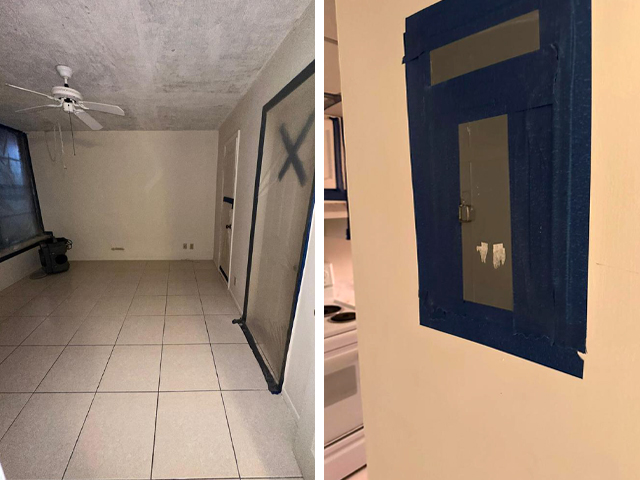
Flooding can turn a comfortable home or productive business into a stressful, damaged space within minutes. Heavy rainfall, overflowing drainage systems, plumbing failures, and storm-related water intrusion can affect floors, walls, furniture, electrical systems, and valuable personal belongings. Moreover, when standing water remains untreated, moisture can spread into hidden areas and create additional problems long after the visible water disappears.For property owners searching for the best flood damage repair services in Boca Raton, FL, choosing a reliable restoration company is an important step toward recovering from water damage. Express Water Damage Repair provides restoration-related services to help property owners address damage, evaluate affected areas, and move toward a cleaner, safer, and more functional property.
However, successful flood restoration requires more than removing visible water. Instead, it involves identifying the source of moisture, assessing the extent of the damage, drying affected materials, addressing contamination where necessary, and repairing damaged structures. Therefore, understanding the restoration process can help you make informed decisions when your property experiences unexpected flooding.
Whether your home has experienced stormwater intrusion or your commercial property has suffered a water-related emergency, timely action can make a meaningful difference. Furthermore, working with experienced restoration professionals can help you organize the recovery process and determine which repairs are necessary.
Why Choose the Best Flood Damage Repair Services in Boca Raton, FL?
Boca Raton properties can face several sources of water intrusion, including intense rainfall, tropical storms, drainage problems, roof leaks, and plumbing failures. Consequently, homeowners and business owners need practical solutions that address both visible damage and underlying moisture.
When evaluating flood damage repair services, consider the company’s experience, inspection process, communication, equipment, and ability to coordinate the appropriate restoration work.
Professional restoration may involve water extraction, moisture detection, structural drying, damaged-material removal, cleaning, and repairs. Additionally, the work may require specialized services if the property contains contaminated floodwater or develops mold growth.
For example, a flooded living room may initially appear to have only damaged carpeting. Nevertheless, moisture could also have reached the baseboards, drywall, insulation, and subfloor. If those hidden areas remain damp, further deterioration may occur.
Similarly, a commercial property may need more than basic cleanup because damaged equipment, inventory, and interior finishes can interrupt normal operations. Therefore, a thorough assessment is essential before deciding which restoration methods are appropriate.
Express Water Damage Repair offers restoration-related services for different types of property damage. By discussing your situation with the company, you can learn which services may be suitable for your property’s specific condition.
Common Causes of Flood Damage in Boca Raton
Flooding can happen for several reasons, and identifying the source is an important part of the recovery process. Although every property is different, the following situations commonly require attention.
Heavy rainfall and tropical storms
Intense rainfall can overwhelm drainage systems and allow water to enter through doors, windows, roofs, and other vulnerable areas. Furthermore, stormwater may accumulate around foundations when the surrounding ground cannot drain effectively.
Plumbing leaks and burst pipes
A damaged supply line, leaking appliance, or failed plumbing connection can release significant amounts of water inside a property. Even when the leak appears small, moisture may spread beneath flooring or behind cabinets before the problem becomes obvious.
Roof and ceiling leaks
Damaged roofing materials, deteriorated flashing, and compromised seals can allow rainwater to enter the building. Consequently, ceilings may stain, paint may blister, and insulation or framing may become wet.
Drainage and sewer backups
Blocked drains and sewer backups can introduce contaminated water into a home or commercial building. Unlike clean-water leaks, these situations may require additional protective measures, specialized cleaning, and removal of materials that cannot be safely restored.
Groundwater intrusion
Water can sometimes enter lower-level spaces through cracks, joints, or other vulnerable parts of a building. Therefore, addressing the immediate moisture is important, but investigating the underlying entry point is equally valuable.
Regardless of the cause, property owners should avoid assuming that visible water represents the full extent of the damage. A professional inspection can help identify affected areas and establish a suitable restoration plan.

What Do Professional Flood Damage Repair Services Include?
The best flood damage repair services in Boca Raton, FL, should address the property’s condition systematically rather than focusing only on surface cleanup. Although the exact process varies according to the severity and source of flooding, several stages are commonly involved.
1. Initial Assessment and Damage Inspection
First, restoration professionals evaluate the affected property to determine the likely source of water intrusion and the areas requiring attention. This assessment may include visible damage, moisture measurements, flooring conditions, wall cavities, and other accessible building components.
Additionally, the inspection helps determine whether contaminated water is present and whether certain materials may need to be removed rather than dried.
For example, wet carpeting over a concrete slab may require a different approach from water-damaged laminate flooring over a wood subfloor. Therefore, the restoration plan should reflect the materials involved and the extent of moisture exposure.
2. Water Extraction and Standing Water Removal
Next, standing water must be removed using equipment appropriate for the conditions. Depending on the situation, this may involve pumps, wet vacuums, and other water-extraction tools.
Prompt extraction can help limit the time building materials remain saturated. Nevertheless, removing visible water does not automatically mean the property is dry.
Water may remain trapped beneath flooring, inside wall cavities, and within porous materials. Consequently, extraction should be followed by moisture assessment and appropriate drying procedures.
3. Structural Drying and Moisture Control
After extraction, affected areas need to be dried thoroughly. Restoration professionals may use air movers, commercial dehumidifiers, and moisture-monitoring equipment to support the drying process.
Furthermore, moisture readings can help determine whether additional drying is necessary. This step matters because materials that feel dry on the surface may still contain moisture internally.
The required drying time depends on factors such as the volume of water, building materials, indoor conditions, and the extent of saturation. Therefore, homeowners should avoid relying on a fixed drying schedule without considering the actual condition of the property.
4. Cleaning and Contamination Management
Floodwater does not always come from a clean source. In particular, stormwater and sewage-related flooding can introduce bacteria, debris, and other contaminants.
For this reason, the cleanup method must match the type of water involved. Appropriate protective equipment, controlled removal of contaminated materials, and suitable cleaning procedures may be necessary.
Additionally, porous materials that cannot be adequately cleaned may need to be discarded. Property owners should not attempt to handle potentially hazardous floodwater without understanding the associated risks.
5. Repairs and Property Restoration
Once the affected areas have been assessed, cleaned as necessary, and properly dried, the repair stage can begin.
Depending on the damage, this may include replacing drywall, repairing flooring, reinstalling baseboards, repainting surfaces, and restoring damaged interior finishes. However, rebuilding should not begin until the affected areas are sufficiently dry and any necessary remediation has been completed.
Otherwise, covering damp materials could contribute to recurring moisture problems and additional repair expenses.
A well-organized restoration process therefore considers the entire recovery, from initial water removal to the final repair work.
How Flood Damage Can Lead to Mold Growth
One of the most important concerns following a flood is the possibility of mold growth. Moisture can remain inside drywall, insulation, cabinetry, carpets, and other porous materials even after standing water has disappeared.
When these materials remain damp, conditions may develop that support mold growth. Furthermore, mold can appear in concealed areas, making it difficult to identify the full problem through a visual inspection alone.
Property owners should therefore prioritize drying and moisture control as soon as conditions are safe.
If mold growth is already present, the affected area may require a separate assessment and appropriate remediation. Simply painting over discoloration or applying a household cleaning product may not resolve the underlying moisture problem.
Express Water Damage Repair provides professional mold remediation services that property owners can explore when mold-related concerns arise.
Importantly, mold remediation and flood restoration are related but distinct processes. While drying helps control moisture, remediation addresses existing mold contamination and the conditions contributing to its presence.
Why Fast Action Matters After a Flood
Although every situation is different, delaying necessary restoration can increase the risk of additional property damage. Water may continue moving through porous materials, damaging finishes and affecting concealed areas.
Furthermore, prolonged moisture can complicate repairs and increase the amount of material that must be replaced.
If your property experiences flooding, consider the following actions:
- Prioritize safety. Stay away from standing water near electrical equipment, damaged wiring, or potentially unstable structures.
- Stop the water source if safe. Shut off the appropriate water supply when a plumbing failure is responsible and doing so does not expose you to danger.
- Document visible damage. Take photographs or videos when it is safe, especially before discarding damaged belongings.
- Contact your insurance provider. Report the incident and ask about documentation requirements, coverage, and approved procedures.
- Arrange a professional assessment. Determine which extraction, drying, cleaning, and repair services are necessary.
- Avoid unsafe cleanup. Do not enter potentially contaminated floodwater or operate electrical equipment in wet areas.
In addition, avoid using household fans or electrical appliances where flooding may have compromised electrical safety. When the water source is sewage or contaminated stormwater, leave hazardous cleanup to appropriately equipped professionals.
By taking these precautions, you can protect occupants while preparing for the restoration process.
Flood Damage Repair for Residential Properties
For homeowners, flood damage can disrupt daily routines and affect rooms that are essential to comfortable living. Bedrooms, kitchens, bathrooms, living areas, and storage spaces may all require different restoration approaches.
For example, water-damaged flooring may need removal and replacement, while wet drywall may require inspection to determine whether it can be safely dried or must be discarded.
Additionally, cabinets and built-in furniture can conceal moisture behind or beneath their surfaces. Therefore, a thorough assessment is particularly important when water has spread throughout several rooms.
Homeowners should also consider the condition of personal belongings. Some items may be salvageable with appropriate cleaning, while others may be too contaminated or damaged to restore safely.
Ultimately, the goal is to return the home to a condition that is functional, clean, and appropriate for occupancy. Achieving this goal requires attention to both visible repairs and less obvious moisture-related problems.
Flood Damage Restoration for Commercial Properties
Flooding can create additional challenges for business owners because property damage may interrupt operations, affect inventory, and create safety concerns for employees and customers.
Consequently, commercial restoration often requires careful coordination. Business owners may need to prioritize critical areas, protect unaffected equipment, document losses, and plan repairs around operational requirements.
For example, water entering an office may damage carpets, wall finishes, electrical components, and computer equipment. Meanwhile, flooding in a retail space may affect merchandise, shelving, storage areas, and customer access.
However, restoration decisions should never compromise safety simply to reopen quickly. Electrical systems, contaminated materials, and potentially unstable building components must be evaluated appropriately before affected areas return to use.
By organizing the response and addressing the underlying cause of water intrusion, businesses can work toward a more orderly recovery.
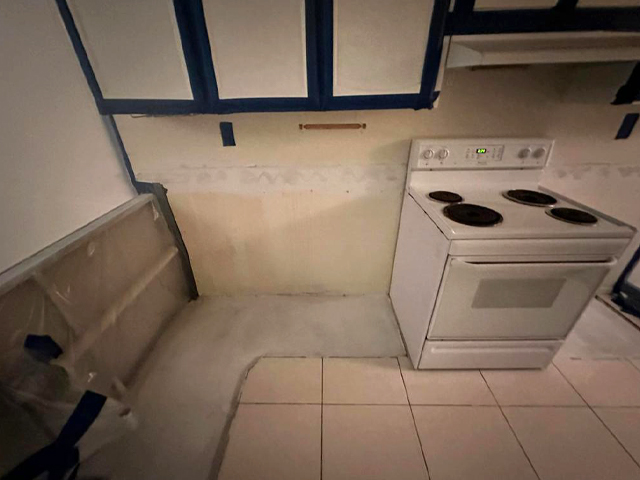
Additional Restoration Services After Property Damage
Flooding is not the only event that can damage a property. In some situations, homeowners and businesses may also need specialized cleaning or repairs following other emergencies.
For instance, a building affected by a fire may require soot removal, odor treatment, and repairs to damaged interior components. Express Water Damage Repair provides information about its fire and smoke damage restoration services.
Similarly, properties affected by hazardous biological materials may require controlled cleanup procedures. Learn more about biohazard cleanup services when such conditions are present.
Damage caused by intentional property destruction may also require specialized attention. In those circumstances, vandalism damage repair services may be relevant.
Nevertheless, each type of damage presents different requirements. Therefore, the appropriate service should be selected according to the actual condition of the property rather than assuming that every restoration method is interchangeable.
How to Choose the Right Flood Damage Repair Company
Selecting a restoration provider is an important decision, particularly when you are dealing with an unexpected emergency. Although response time matters, it should not be the only consideration.
First, ask how the company evaluates the source and extent of the damage. A clear assessment helps establish which services are necessary and whether hidden moisture or contamination requires additional attention.
Next, request a written scope of work that explains the proposed procedures, expected costs, and any exclusions. Furthermore, ask how the company monitors drying progress and determines when affected areas are ready for repairs.
It is also wise to verify relevant licensing, insurance, qualifications, and experience for the work being performed. Where specialist services are needed, confirm that appropriately qualified professionals will handle them.
Additionally, discuss communication and documentation. Regular updates, photographs, moisture readings where applicable, and clear explanations can help property owners understand the restoration process.
Finally, clarify how unexpected findings or additional work will be handled. Flood damage can reveal problems that were not visible initially; therefore, a clear process for approving changes is essential.
If you are looking for a starting point, visit the Express Water Damage Repair website to explore the company’s services and learn how to discuss your restoration needs.
Restore Your Property With Express Water Damage Repair
Flood damage can feel overwhelming, especially when water affects essential rooms, valuable belongings, or important business operations. Nevertheless, a structured restoration plan can help you understand the problem, prioritize safety, and move toward recovery.
The most effective approach begins with a careful assessment, followed by appropriate water removal, thorough drying, necessary contamination control, and repairs based on the property’s actual condition. Moreover, addressing moisture promptly can help reduce the risk of additional deterioration and mold-related problems.
For property owners seeking the best flood damage repair services in Boca Raton, FL, Express Water Damage Repair is a company to consider when exploring restoration options.
Do not overlook hidden moisture or assume that a surface-level cleanup resolves every problem. Instead, seek appropriate professional guidance and make decisions based on the damage, safety requirements, and recommended scope of work.
Ready to take the next step? Visit Express Water Damage Repair or contact the team about your restoration needs to discuss the appropriate next steps for your property.
Recent Comments